Powerful and Priceless Rubbish
Powerful and Priceless Rubbish Here at the prison, each week we have a chapel service which is similar to what you’d experience in a church. We sing a song,

Disability Advocate
We all want a sense of belonging. This is especially true when we come to church. We hope our churches will be places where we feel welcomed, accepted, and at home.
Yet belonging is often shaped by unspoken standards. In many contexts, it is tied to professionalism and competence. The more polished we appear, the more skilled and articulate we seem, the more valued we feel—and the stronger our sense of belonging becomes.
Something similar was happening in Corinth. Believers there derived their sense of belonging from rhetorical skill: a style of speaking that prized flair and performance over substance. Those who were gifted speakers gained status, while those who were not aligned themselves with impressive leaders in order to share in that sense of importance. Belonging became something borrowed, mediated through association rather than grounded in Christ.
Paul sees the danger immediately. When belonging is drawn from anything other than Christ, alienation follows. Some are seen as belonging more than others. Distinctions harden into divisions, and the church begins to mirror the competitive hierarchies of the surrounding culture (1 Cor 1:10–13; 3:5).
Paul does not condemn rhetoric itself. Instead, he reframes it. Rhetorical ability is simply one gift among many, given by God for the good of the whole body. The problem in Corinth was not giftedness, but the misuse of gifts as markers of status. The church was never meant to be a place of competition. It is meant to be a place of collaboration, where gifts are used not to secure belonging, but to build others up (3:8–15).
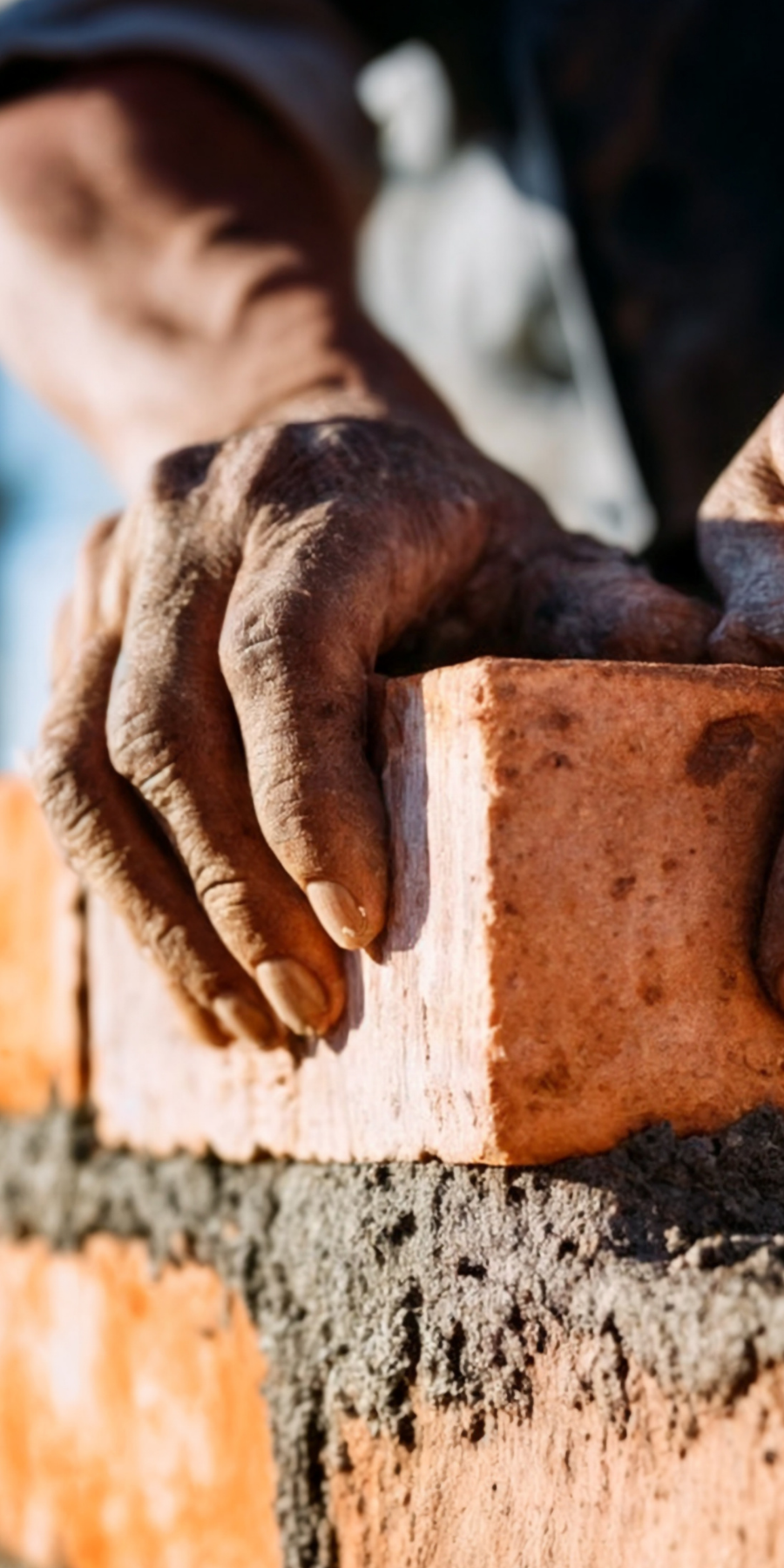
“The one who plants and the one who waters have one purpose, and they will each be rewarded according to their own labor. For we are co-workers in God’s service; you are God’s field, God’s building.
By the grace God has given me, I laid a foundation as a wise builder, and someone else is building on it. But each one should build with care. For no one can lay any foundation other than the one already laid, which is Jesus Christ. If anyone builds on this foundation using gold, silver, costly stones, wood, hay or straw, their work will be shown for what it is, because the Day will bring it to light. It will be revealed with fire, and the fire will test the quality of each person’s work. If what has been built survives, the builder will receive a reward. If it is burned up, the builder will suffer loss but yet will be saved—even though only as one escaping through the flames.“
1 Corinthians 3:8-15 (NIV)
For Paul, the basis of belonging is singular and non-negotiable: being in Christ. Cultural norms—whether eloquence, productivity, or competence—cannot be the measure of who belongs. The only question that matters is this: is Christ being honoured in this person’s life? Is his character being formed in them? If so, their place in the church is not in doubt.
This has profound significance for people with disabilities. They may not conform neatly to cultural expectations of competence or contribution, but that does not diminish their capacity to honour Christ. Faithfulness may look different—but different does not mean deficient.
When Christ, rather than performance, becomes the framework for belonging, the church becomes a place where all who call on his name truly belong.
To borrow Paul’s own imagery: in God’s garden, some are plants growing, some are trees shading, some are soil nourishing, and some are a rock sitting on the side of the path adding to the aesthetic — and none of them need to explain why they are there. They just belong.

Powerful and Priceless Rubbish Here at the prison, each week we have a chapel service which is similar to what you’d experience in a church. We sing a song,


The profound thing is that each time I got to this point of realising how it was all way beyond my pay grade — not that I didn’t have some skills important in all of these scenarios, but when I realised I very much needed supernatural help — over time all of those situations turned around way beyond my initial most optimistic moments.

What Difference Does the Resurrection Make? We live in a world that values productivity, independence, and ability. When people do not readily fit these values, it can become difficult to